
Renovation decisions
Discuss plaster removal beneath a cornice that stays
- Renovation decisions
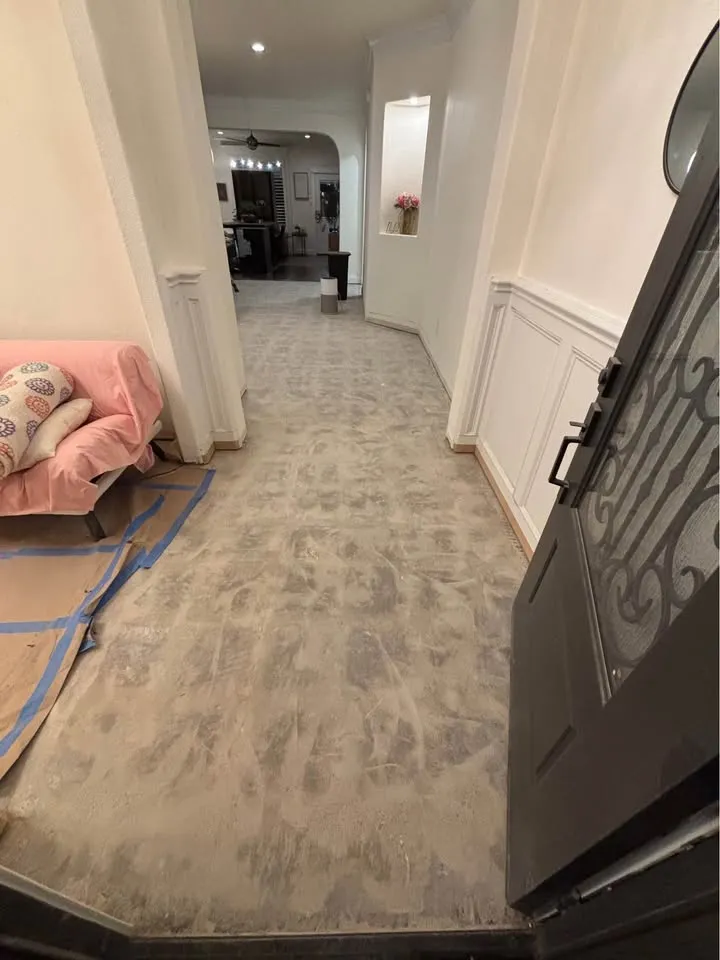
A retained cornice or decorative ceiling edge changes the boundary of wall-finish removal. The owner may value the detail, but its condition and attachment still need assessment. Make the retention request visible before anyone assumes the room will be stripped to every edge.
Record the detail's condition
Take accessible photographs of joints, cracks and previous repairs. Identify the section the owner wants to retain and any section proposed for replacement. Do not infer that all adjoining material is sound because one part looks intact.
Ask for an assessed boundary
The contractor and finishing specialist should review how the wall material meets the retained detail. If the requested boundary cannot be confirmed initially, record the uncertainty and agree a review point. Avoid promising intact recovery or retention before that assessment.
Plan the finishing interface
Identify who repairs the exposed backing, blends the new finish and assesses any movement or damage. Keep those decisions separate from the removal instruction. Compare the retained detail with the starting photographs during handover, noting any unresolved condition rather than hiding it under decoration.
FAQ
Questions about this topic
- Is retaining decorative plaster always feasible?
- No. Condition, attachment and surrounding work affect the decision. A retention request needs assessment and an agreed fallback if it cannot be achieved.
Connect this decision to your project
Start with your situation, compare the related work photos and tell us which removal boundary needs review.