
Renovation decisions
Plan a household move-back between demolition phases
- Renovation decisions
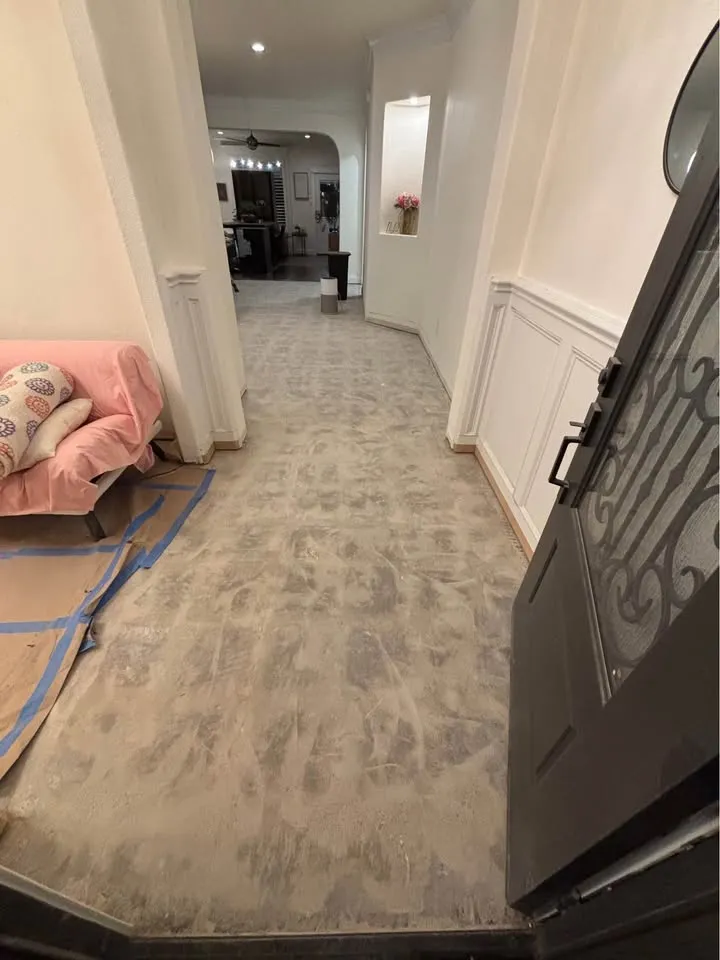
Finishing removal in one room does not automatically make it suitable for household use while work continues next door. A move-back decision should consider the remaining work boundary, access and the condition handed over. Discuss it before moving furniture into an area the project still needs.
Describe the intended use
Tell the project team whether the room will be storage, a passage or occupied living space. Those uses raise different questions. Identify continuing debris routes, service work and next-trade access that could conflict with the proposed move-back.
Obtain an area-specific release
Ask the responsible project party to confirm the agreed use and any restrictions. Keep this separate from demolition completion. If further work is planned in the room, identify when the contents must leave again rather than relying on a vague temporary arrangement.
Keep the boundary current
When the next phase begins, revisit the route and retained protection. A released area can be affected by a later scope change. Maintain a clear contact for questions so occupants do not have to negotiate access directly with each arriving trade.
FAQ
Questions about this topic
- Does a swept room mean it is ready to live in?
- No. Suitability for occupancy depends on the broader project conditions and the responsible parties' assessment, not only the demolition cleanup.
Connect this decision to your project
Start with your situation, compare the related work photos and tell us which removal boundary needs review.