Unit handover decisions
Hold an exposed interface open for the next inspection
- Unit handover decisions
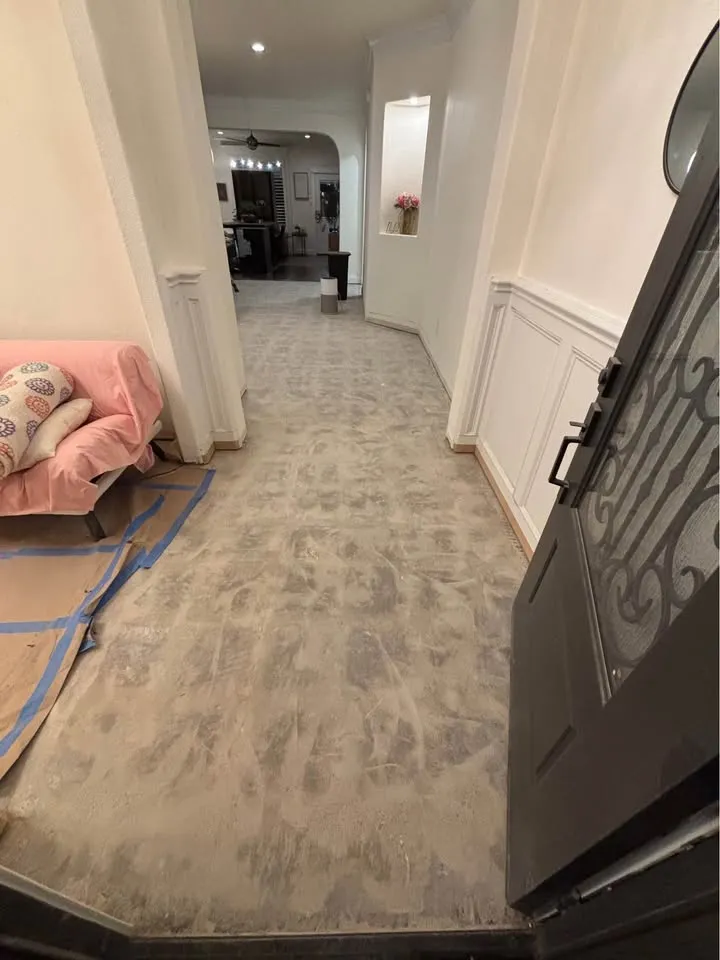
Selective removal may expose a condition that the designer or next trade needs to inspect before reinstatement. Without a planned hold point, the area can be covered before the question is answered. Define the inspection purpose and release condition before scheduling the following trade.
State the inspection question
Identify what must be seen, who needs to see it and the exact location. Examples include a connection at a retained wall or the condition behind an old fitting. Keep the request specific enough to distinguish an inspection opening from wider demolition.
Protect the interval between trades
Ask the GC who controls the exposed area, what access remains restricted and who is responsible for interim protection. Do not assume the next trade will arrive immediately. The arrangement should suit the reviewed site conditions, not a generic open-and-close sequence.
Record permission to proceed
Keep the inspection result or instruction with the affected drawing reference. If additional work is requested, update its scope before it begins. Closing the area should follow the responsible party's release, not simply the planned date on the programme.
FAQ
Questions about this topic
- Is a scheduled inspection the same as approval?
- No. Attendance, findings and any resulting instruction need to be recorded separately.
Connect this decision to your project
Start with your situation, compare the related work photos and tell us which removal boundary needs review.