Commercial demolition
Coordinating Demolition With the Landlord's Base Building Work
- Base building
- Landlords
- Tenant improvement
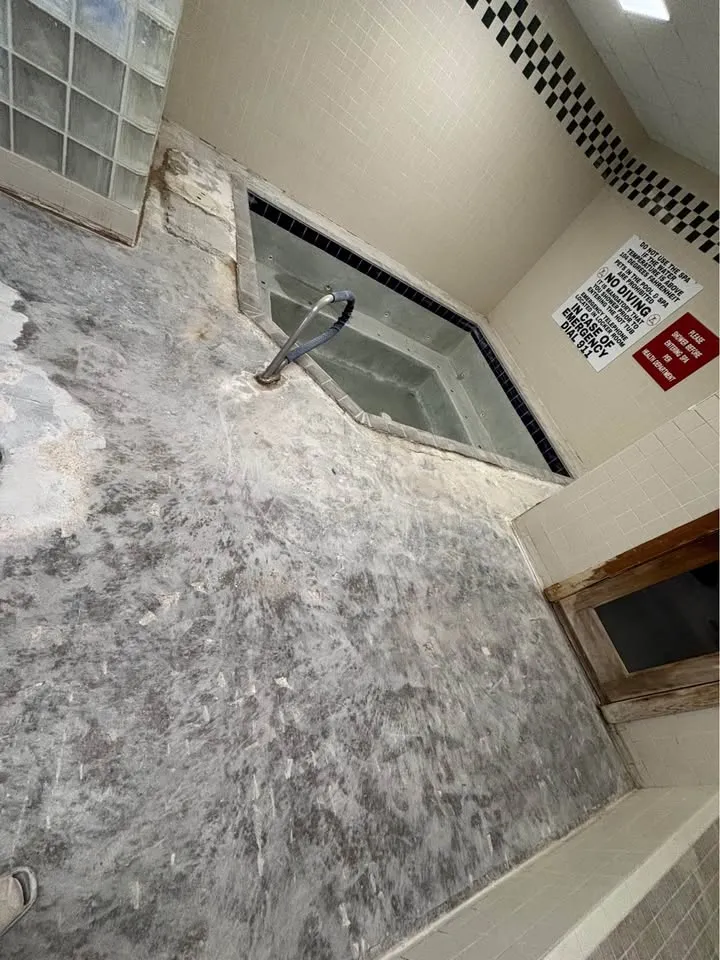
In a commercial unit, two sets of work often happen at once. The tenant, or their GC, is tearing out the old fit-out. Meanwhile the landlord is doing base building work: new HVAC, a sprinkler upgrade, a new electrical service or roof repairs.
When those two aren't coordinated, it gets messy fast. Here's how to keep demolition and base building work from tripping over each other.
Know who owns what
The first step is agreeing on the line between base building and tenant work. Most landlords have a base building standard or tenant manual that spells it out.
- Base building: structure, roof, exterior walls, main electrical service, sprinkler mains, fire alarm panel, shared HVAC
- Tenant: partitions, ceilings, finishes, lighting, branch services inside the unit
- Grey areas: rooftop units serving one unit, washrooms, demising walls
Protect base building items during demolition
Anything that belongs to the landlord should be listed as protect in the demolition scope. Sprinkler heads and mains, fire alarm devices, main panels and meters, and exterior doors are common examples. It's worth photographing them before work starts so everyone agrees on their condition.
Plan the shutdowns together
Base building work and demolition both need shutdowns: sprinklers drained, power isolated, HVAC off. Plan them together so the building doesn't go through three separate impairments in a week.
The landlord's fire protection contractor handles sprinkler and alarm impairments, usually with a fire watch. The demolition crew should know exactly when a system is off and when it's back on.
Sequence the work
Often demolition goes first to open up the space, then the landlord's trades do their work, then the tenant's fit-out follows. Sometimes it's the other way, with the landlord upgrading a service before demolition starts. Either way, write it down with dates and share it.
If both are working in the unit at the same time, agree who's the constructor under OHSA and who controls access.
Share the survey and the rules
The Designated Substance Survey required under OHSA section 30 should be shared with both sets of trades. If the landlord's work disturbs areas the tenant's survey didn't cover, like above the ceiling or inside a shaft, it may need updating. Building rules on hours, loading and elevators apply to everyone, along with the City of Markham's noise by-law.
Hold a short start-up meeting
Before either team starts, get everyone in the unit for half an hour: the landlord or property manager, the tenant or their GC, the demolition supervisor and any base building trades. Walk the space, point at the protected items, confirm the shutdown dates and swap phone numbers. It sounds basic, but most coordination problems come from people who never met until something went wrong. A one-page summary of what was agreed, sent the same day, keeps everyone honest.
When it makes sense to bring in a professional
If the unit is simple and the landlord isn't doing much, you can often coordinate this yourself. Bring in a professional when there are shared services, a sprinkler system that has to be impaired, or both teams working in the unit at once. A contractor who does commercial strip-outs in occupied buildings will know how to work around a landlord's schedule. If walls or floors need structural demolition, that coordination matters even more.
Conclusion
Coordinating demolition with base building work is mostly about clear lines: who owns what, when shutdowns happen and who's in the unit when. Siteforce Demolition Markham works with landlords, property managers and GCs to keep those lines clear. If you've got a unit with both kinds of work coming up, request a free estimate.
FAQ
Questions about this topic
- Who decides what counts as base building?
- Usually the landlord, through the lease and their base building standard or tenant manual.
- Can the tenant's demolition crew shut off sprinklers?
- No. Sprinkler and fire alarm impairments are arranged through the building owner and their fire protection contractor.
- Who is the constructor if both landlord and tenant trades are on site?
- It depends on the contracts. The parties should agree and document it so OHSA duties are clear.
- Should base building items be photographed before demolition?
- Yes. Photos give both sides a shared record of condition before work starts.
- Can demolition and base building work happen at the same time?
- Yes, if the areas, shutdowns and access are agreed in advance and one party is clearly named as the constructor for the shared work.
Planning references
Confirm the current requirements for your scope with the relevant authority before arranging work.