Question guide
Can a demolition sub work to a general contractor's schedule on a live site?
- General contractors
- Scheduling
- Live sites
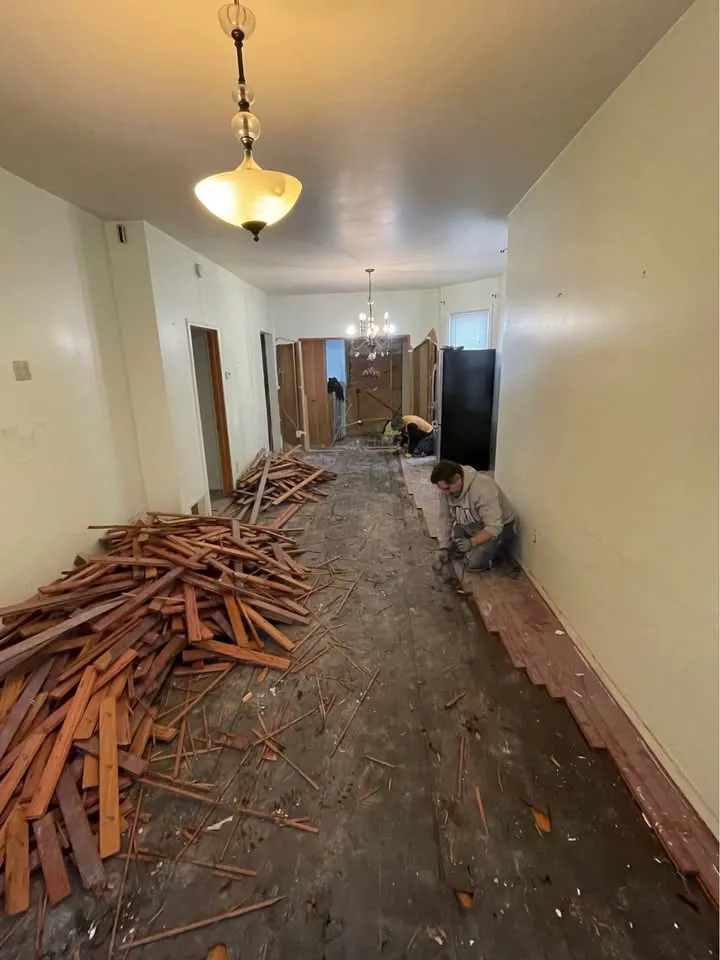
Yes, a demolition sub can work to a general contractor's schedule on a live site when the windows, sequence and access rules are agreed before mobilization and the sub has the crew depth to hold them. It works best when the GC shares the full schedule, not just the demolition line.
Whether a specific schedule is achievable depends on the scope, the hours the site allows, what other trades need at the same time and how much is still unknown behind walls and ceilings.
What a live site means for demolition
A live site is one where people, operations or other trades continue around the work: an open plaza, an occupied office, a hospital wing or a building with other contractors on it. Demolition is often the first trade in, and delays ripple through everything that follows, so the sub's ability to hit windows matters.
Agree the windows up front
The GC's schedule should show when demolition can happen, where and with what restrictions.
- Daily working hours, within the City of Markham's construction noise hours or an approved exemption
- Quiet periods set by the building or tenants
- Loading and elevator times
- Shutdown windows for sprinklers, power or HVAC
- Milestones when the next trade needs the area
Sequence around the other trades
Demolition rarely happens all at once on a live site. Areas are released in phases, and each has a start and handover date. Abatement may come before general demolition in some areas. Mechanical and electrical trades often need to make safe before demolition and return after. A shared look-ahead schedule, updated weekly, keeps everyone aligned.
Plan for what is hidden
The biggest schedule risk in demolition is what nobody has seen yet: materials not in the survey, undocumented services, structure that does not match the drawings. Building contingency time into the schedule for these, and agreeing in advance who decides what happens next, keeps a discovery from stopping the whole site.
Communication on site
Daily check-ins with the GC's superintendent, a named supervisor for the demolition crew and a clear route for reporting issues make a schedule hold. On live sites, communication with building management matters as much as with the GC, because the building's rules can change day to day.
What the GC should ask the sub
Before award, a GC can ask how many crews the sub can put on the job, what equipment they will bring, how they will remove debris without blocking other trades, and how they handle after-hours work. The answers show whether the schedule is realistic.
Debris removal that keeps pace
On a live site, debris removal often decides whether the schedule holds. If bins fill faster than they are swapped, the crew stops. The plan should say where bins sit, how often they are changed, and how debris travels from the work area to the bin without crossing tenant areas at busy times. Covered carts, dedicated elevators at set hours and night swaps of bins are common tools. In Markham, a bin placed on a City road needs permission, so bins usually stay on private property or in the plaza's service area.
What we do about it
We ask for the full schedule and the building's rules before quoting, confirm the windows in writing and name a supervisor who reports to your superintendent daily. We keep documents such as our WSIB clearance ready so paperwork does not delay the start. See our commercial strip-outs and structural demolition work, or request a free estimate.
FAQ
Questions about this topic
- Can demolition happen at night on a live site in Markham?
- Only with an approved noise exemption from the City, and usually with the building's agreement.
- How do demolition debris removal and other trades share access?
- Loading windows and routes are agreed in advance so bins and debris do not block other trades or tenants.
- What if demolition finds something that stops work?
- Work stops in that area, the GC is told immediately and the agreed decision process is followed.
- Should demolition be phased on a live site?
- Usually yes. Phasing lets parts of the site stay in use and lets other trades start earlier in released areas.
Planning references
Confirm the current requirements for your scope with the relevant authority before arranging work.